

Summer Foot Safety: 7 Tips to Protect Your Feet in 2026

June 18, 2026

Summer foot safety involves protecting your feet from environmental hazards like extreme heat, UV radiation, and inadequate support. Key practices include applying broad-spectrum sunscreen to the tops of your feet, wearing supportive footwear with arch support, staying hydrated to reduce swelling, and avoiding walking barefoot in public areas.

How can I keep my feet safe during summer activities?

As the temperatures rise and the days get longer, it is natural to want to spend more time outdoors. Whether you are hitting the trails, gardening in your backyard, or walking along the waterfront, your feet are doing the heavy lifting. To maintain summer foot safety , you should start with a foundation of hydration. Dehydration can lead to systemic swelling, known as edema, which makes your shoes feel tighter and can cause painful friction or blisters. Drinking plenty of water helps manage this fluid balance.

Another critical step is maintaining a consistent hygiene routine. Sweat is more prevalent in the summer, creating a breeding ground for bacteria. Washing your feet daily with soap and water—and drying them thoroughly, especially between the toes—is a simple yet effective way to prevent issues. Additionally, if you are planning a long day of walking, consider doing a few dynamic stretches for your calves and arches before you head out. This prepares your muscles for the increased activity levels typical of the season.

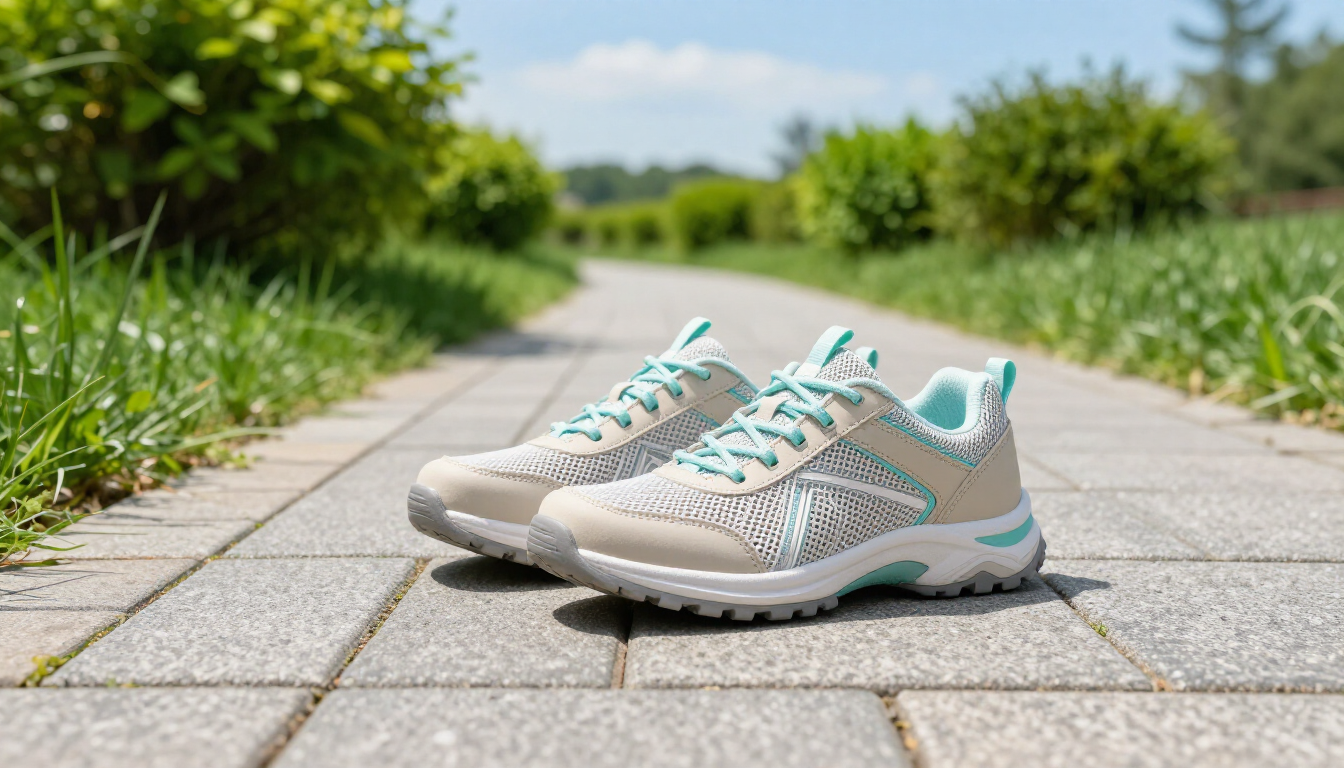
Summer Walking Shoes

Common Summer Foot Risks to Watch Out For

While summer is a time for fun, it also presents specific risks that we don't see as often in the winter. One of the most common issues is "surface burns." Asphalt and sand can reach temperatures high enough to cause second-degree burns on the soles of your feet in just a few minutes. Always wear some form of foot protection, even if you are just running a short distance to the pool.

Other risks include:

  • Blisters: Caused by the combination of heat, moisture (sweat), and friction from ill-fitting sandals.
  • Puncture Wounds: Stepping on hidden glass, shells, or debris while walking barefoot in the grass or sand.
  • Ankle Sprains: Often caused by walking on uneven terrain like hiking trails or sandy beaches in unsupportive shoes.
  • Overuse Injuries: Suddenly increasing your activity level (like starting a new summer running program) without proper conditioning.
  • Heat Edema: Swelling caused by blood vessels dilating to keep the body cool, which can cause discomfort in your usual footwear.

If you experience persistent pain after a summer outing, it may be time to consult a professional at our Lacey Clinic or Olympia Clinic to ensure a minor strain doesn't turn into a chronic injury.

Why is sun protection important for your feet?

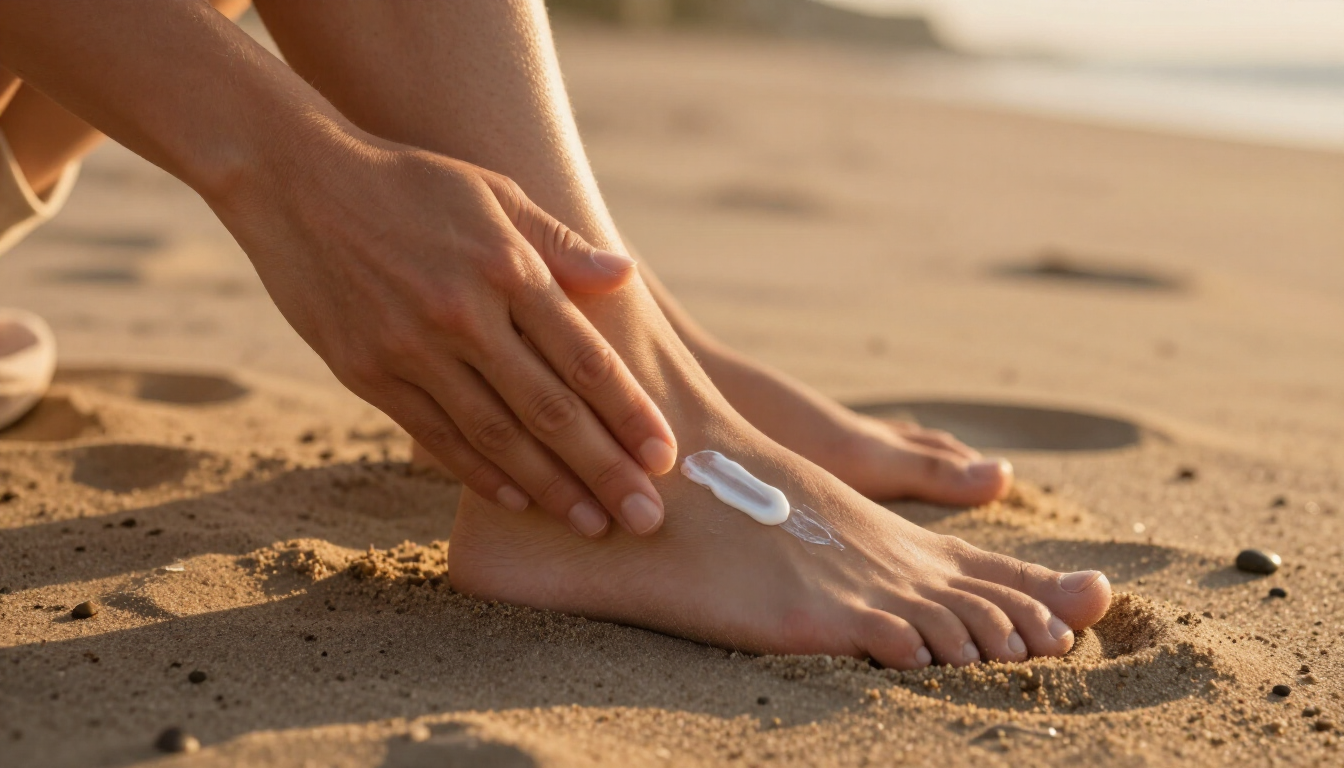
Many people are diligent about applying sunscreen to their face, shoulders, and legs, but they completely forget the tops of their feet. The skin on the "dorsum" (top) of the foot is quite thin and very sensitive to UV radiation. Because the feet are often angled directly toward the sun when you are sitting in a lounge chair or walking in sandals, they are prime targets for painful sunburns.

Beyond the immediate pain of a burn, the feet are a common site for skin cancers, including melanoma. Because we don't often inspect our feet as closely as other parts of our body, these spots can go unnoticed for a long time. When applying your SPF 30 or higher, make sure to cover the entire foot, including the ankles and the skin between the toes if you are wearing open-toed shoes. If you are swimming, remember to reapply every two hours, as water and sand can quickly rub the protection away.

Sunscreen Application

Essential Features of Supportive Summer Footwear

Not all summer shoes are created equal. While thin, flat flip-flops are a summer staple, they often provide zero support for your arches and no cushioning for your heels. This lack of structural integrity can lead to a condition called plantar fasciitis , which causes sharp pain in the heel, especially during those first steps in the morning.

When shopping for summer footwear, look for these features:

  • Contoured Footbeds: Shoes that follow the natural shape of your arch to distribute weight evenly.
  • Deep Heel Cups: These help stabilize the foot and prevent the side-to-side motion that leads to rolled ankles.
  • Adjustable Straps: Straps that go over the instep or behind the heel keep the shoe secure so your toes don't have to "grip" the sole.
  • Breathable Materials: Look for leather, mesh, or high-quality synthetics that allow moisture to escape.
  • Cushioned Midsoles: A bit of thickness in the sole helps absorb the shock of walking on hard surfaces like boardwalks.

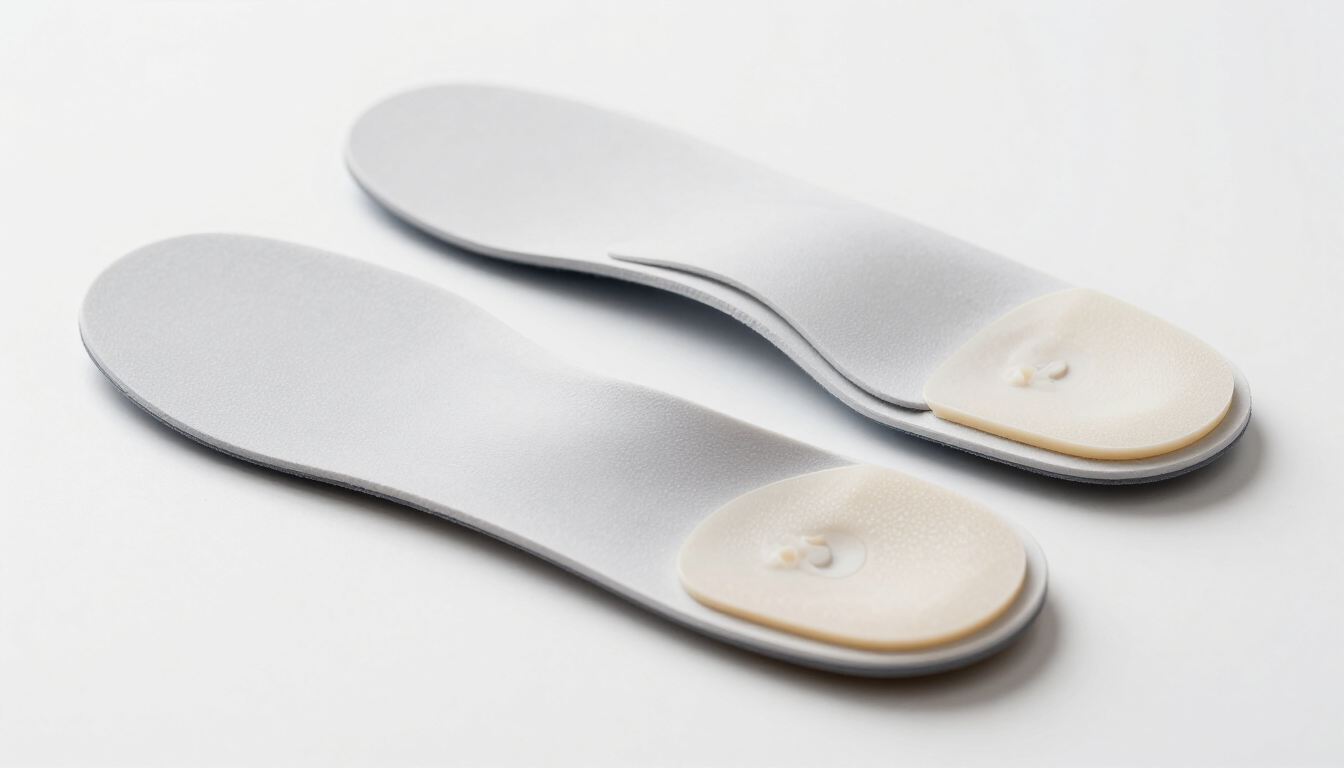
We often recommend Vionic Shoes to our patients because they integrate medical-grade technology into stylish summer designs. For those who need even more specialized support, custom orthotics can sometimes be fitted into high-quality sandals to provide the same correction you get from your sneakers.

Is it safe to walk barefoot on the beach?

While the feeling of sand between your toes is a highlight of the season, walking barefoot on the beach carries hidden dangers. Aside from the heat of the sand mentioned earlier, the beach environment is full of potential hazards like broken glass, sharp shells, and even stinging jellyfish washed ashore. For the average person, a small cut might be a nuisance, but for certain populations, it is a major health risk.

Patients requiring diabetic foot care must be especially cautious. Diabetes can cause diabetic neuropathy , a condition that numbs the nerves in the feet. A person with neuropathy could step on a sharp object or burn their feet on hot pavement without even feeling it. These small injuries can quickly escalate into serious infections. If you have diabetes, the rule for summer foot safety is simple: never go barefoot, even indoors or at the beach. Water shoes are an excellent compromise, providing protection while allowing you to enjoy the water.

How do I prevent athlete’s foot in warm weather?

Fungal infections thrive in warm, damp, and dark environments—which is exactly what the inside of a sweaty shoe becomes during a July afternoon. Athlete's foot is a common fungal infection that causes itching, scaling, and redness. It is highly contagious and is often picked up in public areas where people walk barefoot, such as pool decks, locker rooms, and community showers.

To keep a foot fungal infection at bay, follow these hygiene tips:

  • Wear Shower Shoes: Always use sandals or flip-flops in public showers and pool areas.
  • Alternate Your Shoes: Don't wear the same pair two days in a row; give them 24 hours to air out completely.
  • Use Antifungal Sprays: If you are prone to infections, a light dusting of antifungal powder in your shoes can help.
  • Choose Moisture-Wicking Socks: If you must wear closed-toe shoes, choose socks made of synthetic blends or wool rather than cotton.
  • Keep Toenails Trimmed: Fungus can hide under long nails, so keeping them short and clean is essential for prevention.

If you notice persistent peeling or itching that doesn't resolve with over-the-counter treatments, our team can provide more advanced diagnostics and imaging to confirm the type of fungus and prescribe a more effective treatment plan.

Choosing the Right Sandals for Your Foot Type

Every foot is unique, and your summer footwear should reflect that. If you have high arches, you need sandals with significant midfoot support to prevent strain. If you have flat feet, you need a more rigid sole to prevent the foot from collapsing inward (overpronation). For those dealing with bunions or hammertoes , look for sandals with soft, adjustable straps that don't rub against the bony prominences of your joints.

Podiatrist Consultation

If you aren't sure what your foot type is, a quick consultation can save you a summer of discomfort. We can evaluate your gait and recommend specific brands or styles that will keep you pain-free. Remember, the best shoe is the one that you can wear all day without thinking about your feet. If you find yourself constantly wanting to kick your shoes off because of aching, they aren't providing the support you need.

Summary: Your Summer Foot Health Checklist

Protecting your feet this summer doesn't have to be complicated. By following a few simple guidelines, you can enjoy all your favorite activities without the setback of a foot injury. Prioritize supportive footwear like Vionic Shoes , stay hydrated to manage swelling, and never skip the sunscreen on the tops of your feet. If you have a pre-existing condition like diabetes, take extra care to inspect your feet daily for any signs of redness or irritation.

If you do run into trouble, whether it's a stubborn case of athlete's foot or a nagging heel pain, don't wait for it to get worse. Early intervention is the key to a fast recovery. You can make an appointment at any of our Washington locations to get back on your feet and back to your summer fun. Stay safe, stay supported, and enjoy the sunshine!

Key Takeaways for Summer:

  • Support Over Style: Choose sandals with arches, not just thin straps.
  • Sunscreen is Vital: Protect the thin skin on top of your feet from UV damage.
  • Stay Dry: Prevent fungal growth by rotating shoes and using moisture-wicking materials.
  • Watch the Surface: Be mindful of hot pavement and sharp debris at the beach.
  • Listen to Your Feet: If it hurts, stop and seek professional advice from a podiatrist.
By VIV Builder April 9, 2026
Keep your feet healthy and pain-free this Foot Health Awareness Month. Learn about heel pain, orthotics, diabetic care, and injury treatment to stay active.
By VIV Builder March 17, 2026
Achilles tendonitis can cause heel pain and stiffness that worsens over time. Learn the symptoms, causes, and how podiatry care can help you recover and stay active.
By VIV Builder March 1, 2026
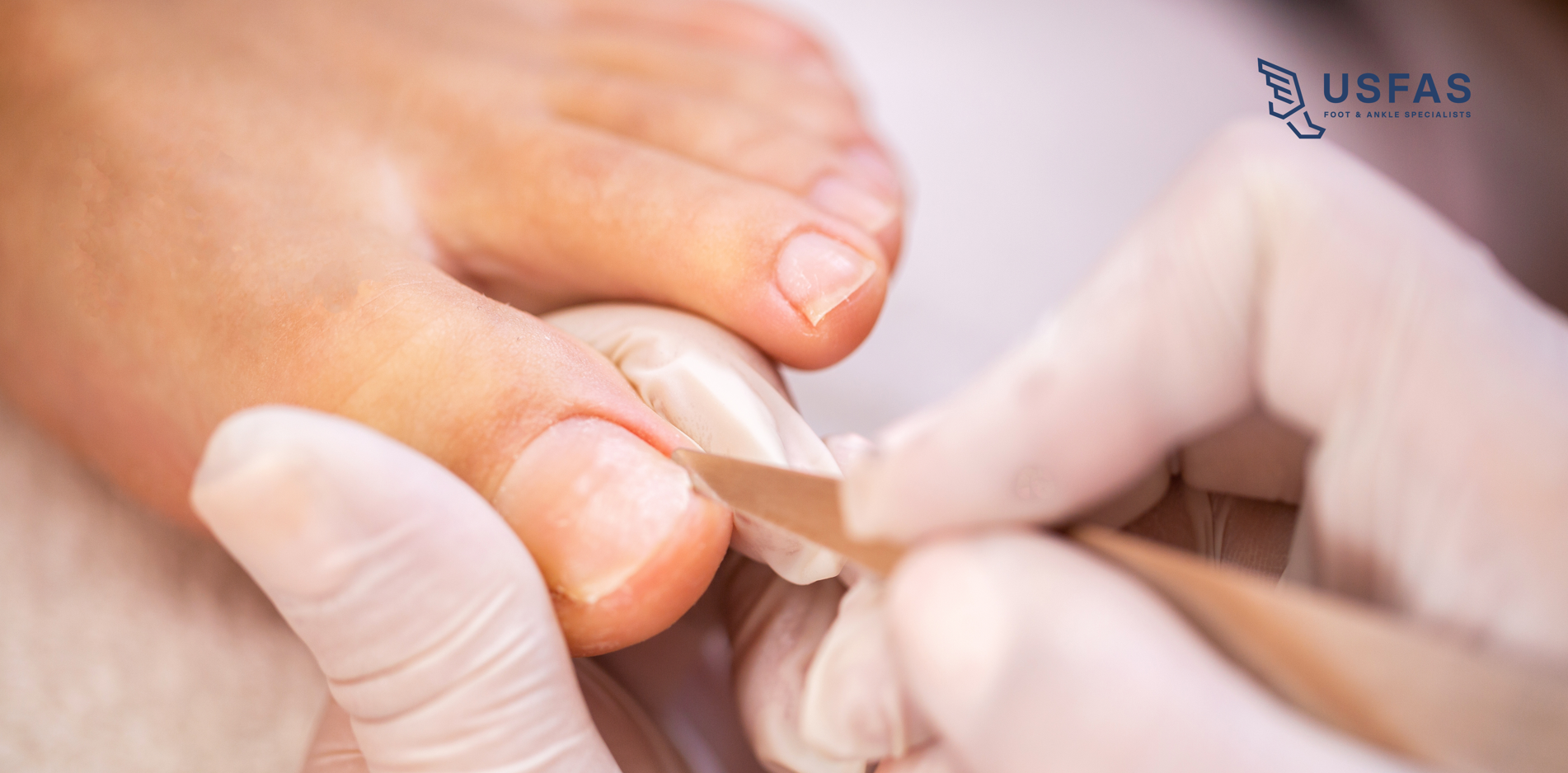
Ingrown toenails can quickly become painful if left untreated. Learn causes, symptoms, and how podiatry care can provide safe, effective relief and prevention.
By VIV Builder February 19, 2026
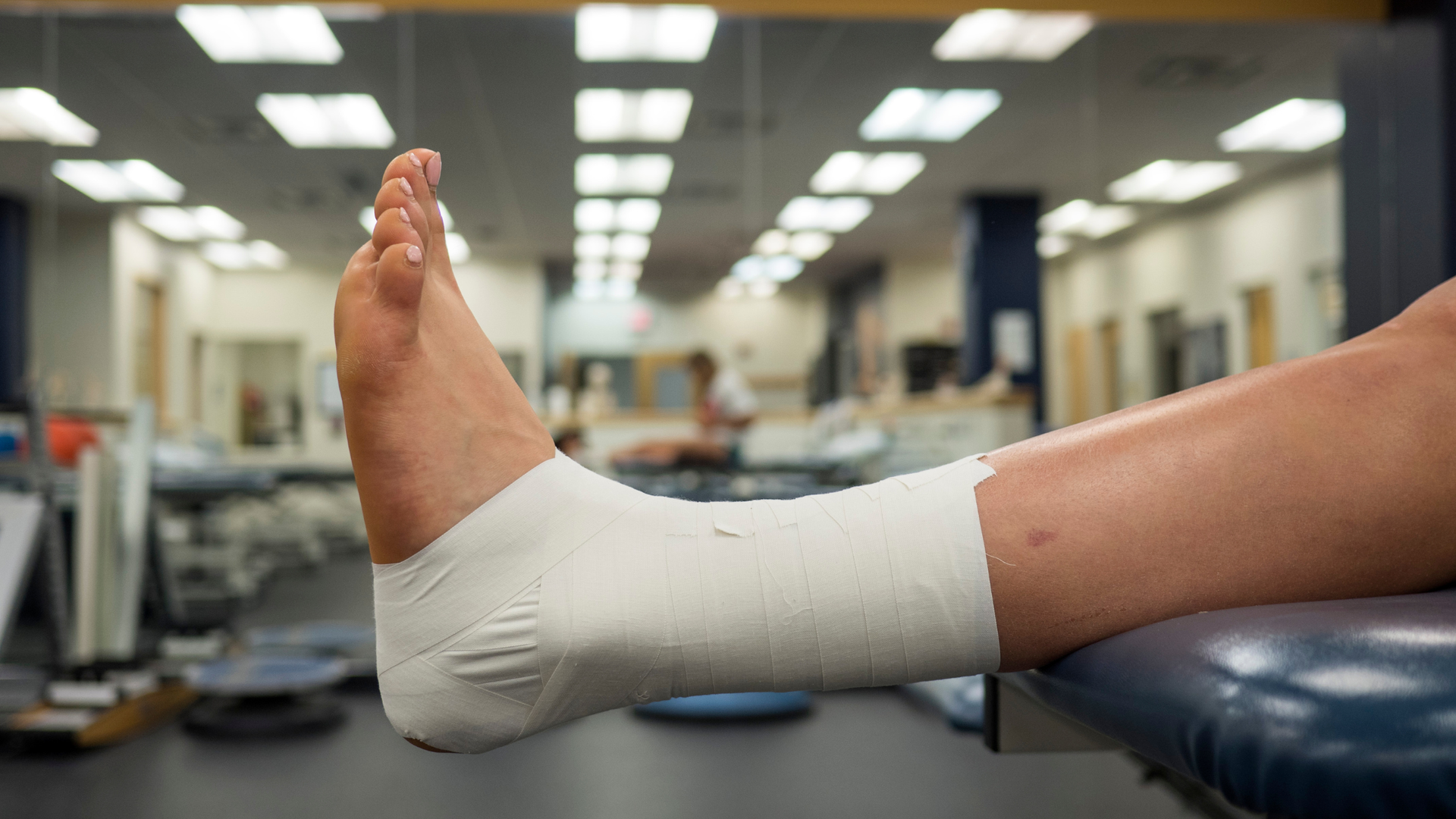
Don’t ignore an ankle sprain. Learn symptoms, causes, and why early treatment is key to preventing long-term pain and instability with expert podiatry care.
By VIV Builder February 5, 2026
Show your feet some love this February. Learn about common foot problems like heel pain, ingrown toenails, and diabetic foot care, and how podiatry treatment can help.
By VIV Builder January 23, 2026
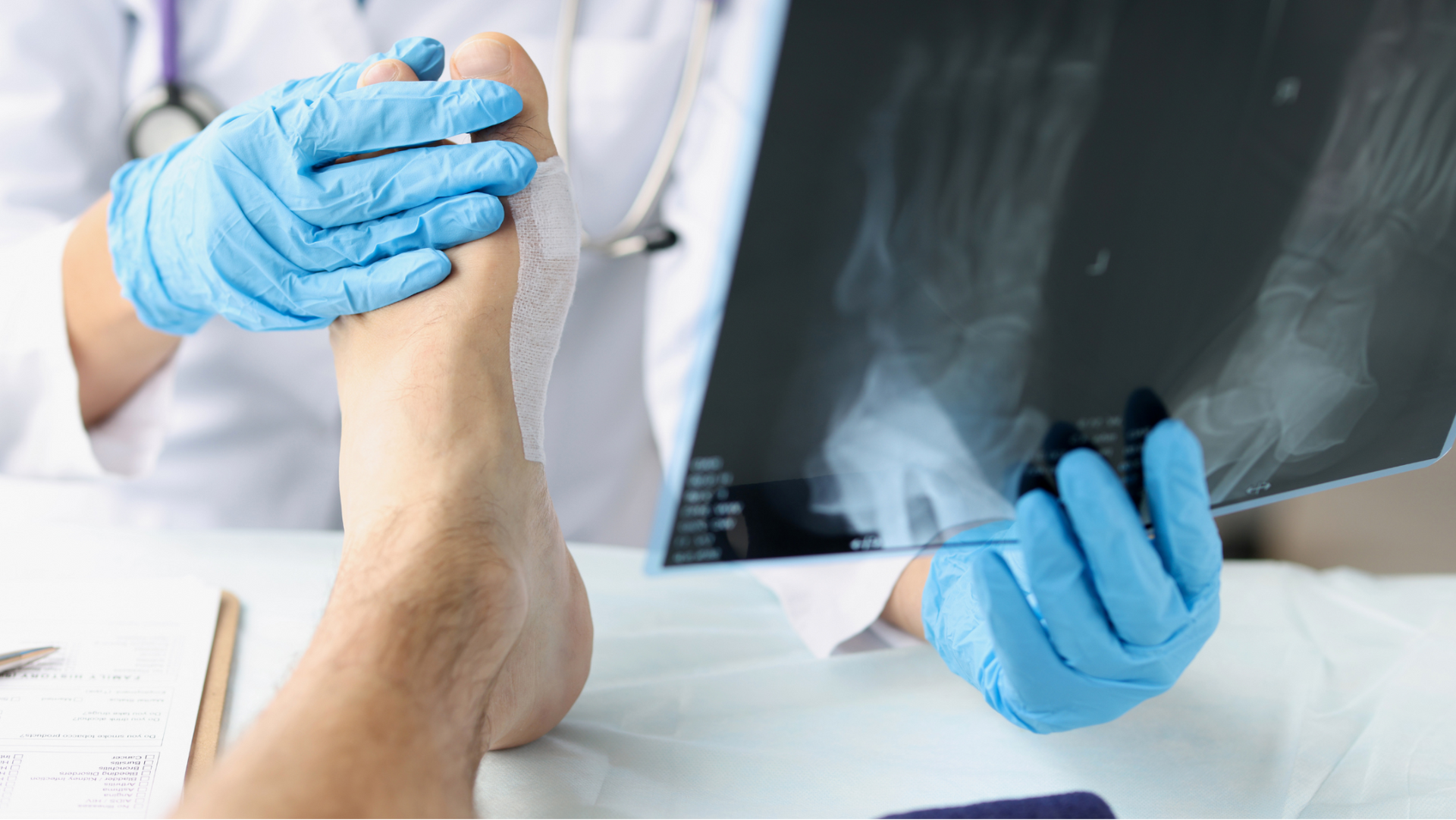
Learn what a podiatrist does and how they can help treat foot and ankle conditions. Discover when to seek care and how to stay active, pain-free, and healthy.
By VIV Builder January 9, 2026
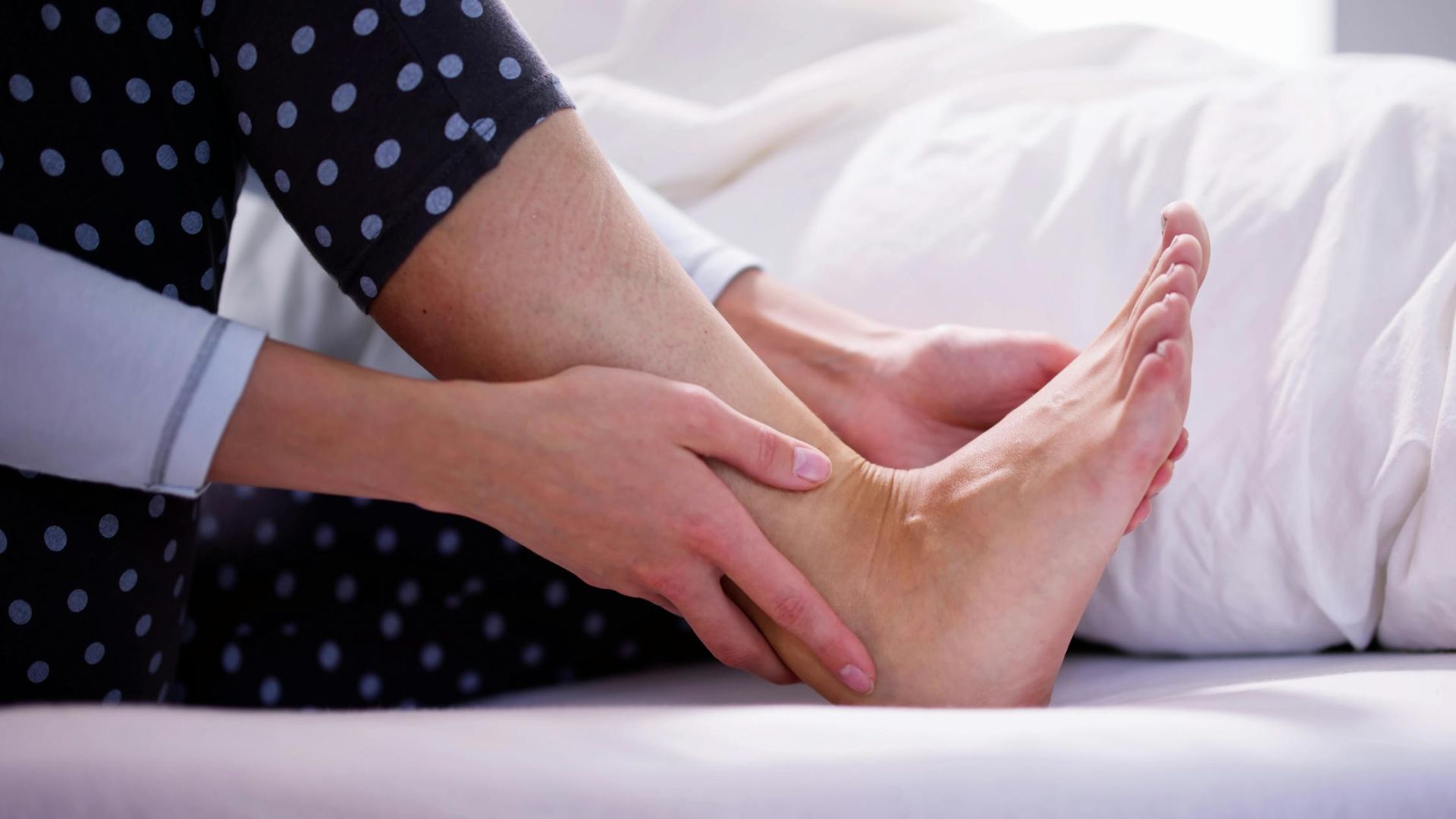
Start the new year pain-free by addressing heel pain early. Learn common causes like plantar fasciitis and how podiatry care can help you stay active and comfortable.

By VIV Builder December 18, 2025
Start 2026 on the right foot with expert podiatry care. Learn how to prevent foot pain, improve mobility, and stay active with comprehensive exams and treatment options.
December 4, 2025
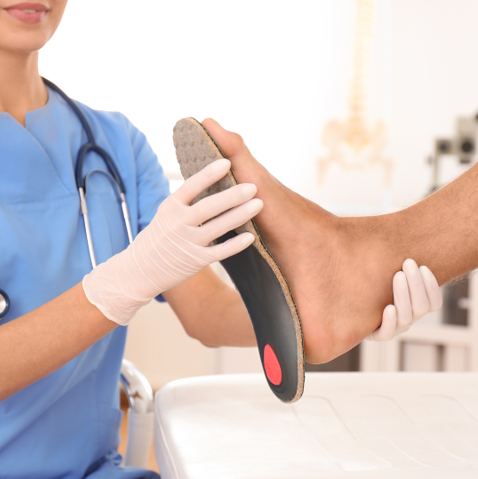
December is the season of giving, and there’s no better gift than comfort. If you’re looking for something meaningful, helpful, and long-lasting, custom orthotics are a great choice. They support the feet, improve balance, and make everyday activities easier and more comfortable. Why Orthotics Make a Great Gift Many people struggle with foot pain, tired feet, or discomfort when walking or standing. Custom orthotics can help by: Reducing foot, heel, and arch pain Providing better alignment and support Improving comfort during work, exercise, and daily routines Helping prevent future foot problems They are a thoughtful gift for anyone—especially those who stay on their feet all day, enjoy being active, or dealing with ongoing foot issues. How Our Team Can Help Our podiatry team offers: Custom Orthotic Fittings tailored to your foot shape and needs Foot Evaluations to identify pain points and pressure areas Supportive Shoe Recommendations for everyday comfort Ongoing Care for long-term foot health Give Comfort This Christmas If you’re searching for a gift that truly helps someone feel better, custom orthotics are a smart and meaningful choice. Contact our office to schedule an appointment or learn more about how orthotics can bring comfort all year long.

November 7, 2025
November marks National Diabetes Awareness Month , a time dedicated to raising awareness, supporting those affected, and sharing ways to live healthier with diabetes. With diabetes impacting millions of Americans, proactive foot care remains one of the most important—and often overlooked—parts of diabetes management. Why Foot Health Matters Diabetes can affect the feet in several ways, and early prevention is key. High blood sugar levels may lead to: Nerve damage (neuropathy) that causes numbness, tingling, or loss of sensation Reduced blood flow , slowing the healing process Higher risk of infections, wounds, and ulcers , which can become serious if left untreated Healthy, routine foot care can help prevent complications and support mobility, comfort, and long-term wellness. How Our Podiatry Team Supports Diabetic Foot Health We provide comprehensive diabetic foot care to protect, prevent, and treat foot-related concerns, including: Routine Diabetic Foot Exams Early detection and intervention to address concerns before they become more serious. Custom Orthotics Personalized support to improve balance, relieve pressure points, and enhance walking comfort. Advanced Wound Care Specialized treatment plans for wounds, ulcers, or injuries to promote faster healing and reduce risks. Footwear Guidance Recommendations for proper shoes and inserts designed to prevent irritation, friction, and injury. We’re Here to Help You Stay Healthy Caring for your feet is an essential part of staying active, independent, and healthy with diabetes. Whether you have questions about preventive care, footwear, or treatment options, our podiatrists are here to guide and support you every step of the way. This month is a great time to schedule a diabetic foot check or talk with us about ways to keep your feet protected year-round. Together, we can work toward better foot health and a healthier life with diabetes.
Show More
