How to Treat Achilles Tendon Injuries
Achilles tendon injuries can cause pain, stiffness, swelling, or weakness at the back of the ankle. A podiatrist can determine whether the problem is tendinitis, tendinopathy, a strain, or a tear, then recommend personalized treatment to reduce pain, restore movement, and support a safe return to normal activity.
What causes Achilles tendon injuries?
The Achilles tendon connects the calf muscles to the heel bone. It helps you walk, run, jump, climb stairs, and push off the ground. Because it handles substantial force, repeated stress or a sudden increase in activity can irritate or damage it.
Common causes include:
- Increasing running, jumping, or exercise intensity too quickly
- Tight calf muscles or limited ankle flexibility
- Wearing unsupportive or poorly fitting shoes
- Repetitive strain from work, sports, or daily activity
- A sudden push-off, fall, or direct injury
Age, previous tendon problems, certain medications, and health conditions may also affect tendon strength. Achilles tendon pain is especially common in people who alternate between long periods of inactivity and intense activity.
What are the symptoms of an Achilles tendon injury?
Symptoms vary depending on whether the tendon is irritated, partially damaged, or completely torn. Many people notice discomfort gradually, while others feel sudden pain after a forceful movement.
Possible symptoms include:
- Pain or tenderness above the heel
- Morning stiffness that improves temporarily with movement
- Swelling or thickening along the tendon
- Pain during walking, running, or climbing stairs
- A snapping or popping sensation at the time of injury
- Weakness when pushing off or standing on the toes
- Difficulty bearing weight after a sudden injury
A complete rupture may cause severe pain, bruising, weakness, and difficulty walking. Some people do not feel intense pain after the initial event, so sudden weakness or trouble pushing off should still be evaluated promptly.
How does a podiatrist diagnose Achilles tendon injuries?
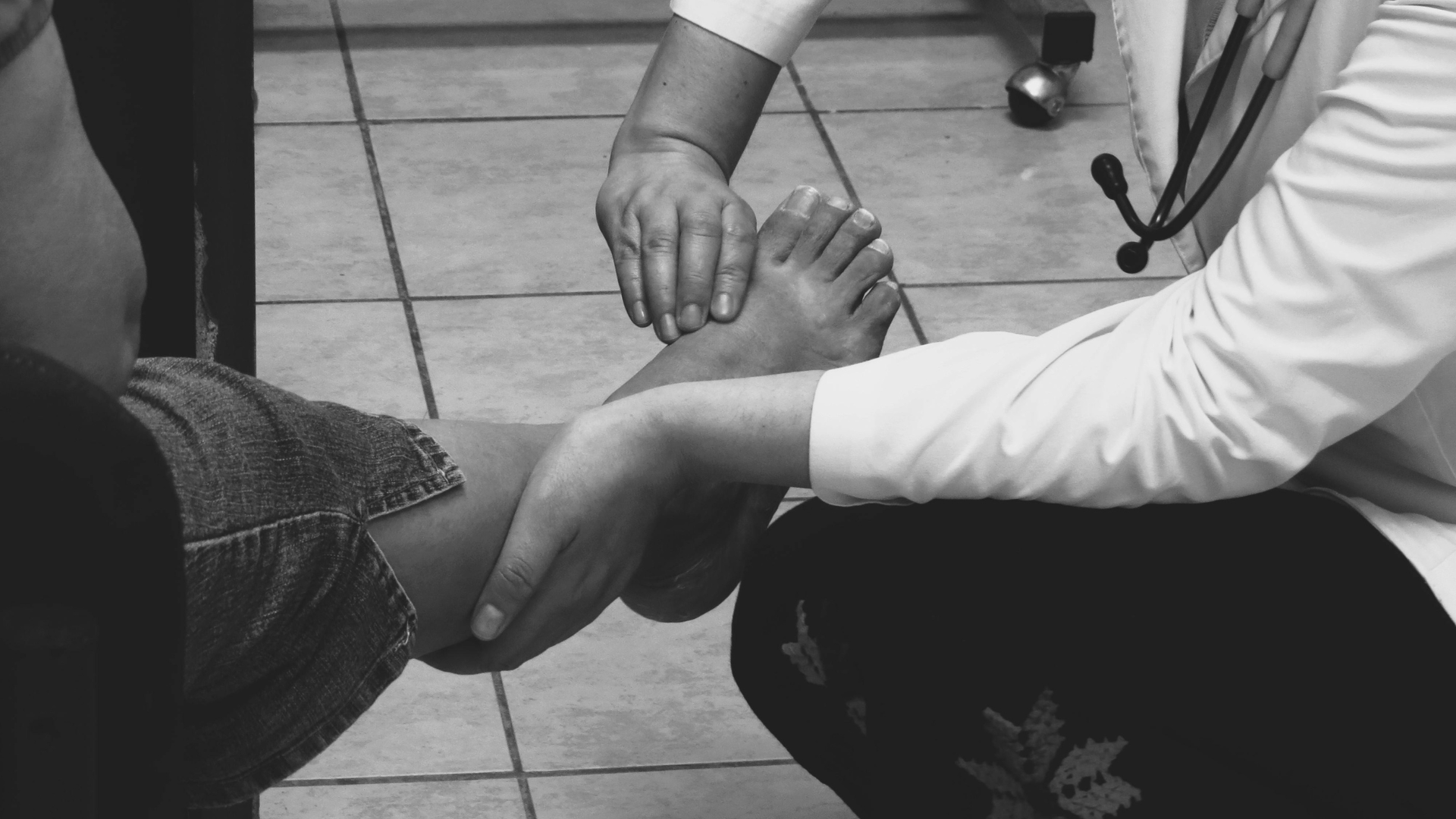
Diagnosis begins with a conversation about your symptoms, activity level, medical history, and how the injury happened. Your podiatrist will examine the ankle and lower leg, looking for tenderness, swelling, thickening, weakness, and differences between the two sides.
The evaluation may include checking:
- Your walking pattern and ankle movement
- Calf strength and the ability to rise onto your toes
- The tendon for gaps, thickening, or painful areas
- Whether pain changes with stretching or resisted movement
- Circulation, sensation, and nearby joints
Your provider may also recommend diagnostic imaging when the diagnosis is unclear, symptoms are severe, or a tear is suspected. Ultrasound can show tendon thickening, inflammation, and some tears in real time. MRI may provide a more detailed view of the tendon and surrounding structures. Learn more about Diagnostics & Imaging and how evaluation can guide treatment.
What treatments help Achilles tendon pain?
Treatment depends on the injury’s severity, your goals, overall health, and how long symptoms have been present. Mild irritation may improve with activity changes and rehabilitation, while a significant tear may require surgical consultation.
A personalized plan may include:
Activity modification
Temporarily reducing running, jumping, hills, or other painful activities can lower stress on the tendon. This does not always mean complete rest. Your podiatrist can help identify safe ways to stay active while healing.
Ice and pain management
Cold therapy may help ease pain and swelling after activity. Your provider may discuss medications or other options based on your medical history. Follow professional guidance rather than masking pain and returning to high-impact activity too soon.
Stretching and strengthening
A rehabilitation program often progresses from gentle range-of-motion exercises to calf and tendon strengthening. Eccentric and other controlled loading exercises may help improve tendon capacity, but the timing and amount matter. Exercises should be adjusted if pain becomes sharp, swelling increases, or function worsens.
Supportive footwear and orthotics
Shoes with appropriate cushioning, stability, and heel support may reduce strain during daily activities. In some cases, temporary heel lifts or Custom Orthotics can help redistribute pressure while the tendon recovers.
Physical therapy
A physical therapist can guide mobility work, progressive strengthening, balance training, and a gradual return to sport or work. Our Physical Therapy services may be part of a broader foot and ankle treatment plan.
Surgery
Surgery is not necessary for every Achilles tendon injury. It may be considered for certain complete ruptures, severe tears, or persistent problems that do not respond to conservative care. A podiatrist can explain the benefits, risks, recovery expectations, and alternatives.
How long does an Achilles tendon injury take to heal?
Recovery time varies widely. A mild overuse injury may improve over several weeks with appropriate care, while chronic tendinopathy or a significant tear may require months of rehabilitation. Recovery depends on the injury type, treatment plan, activity demands, general health, and consistency with rehabilitation.
Pain relief does not always mean the tendon is ready for full activity. A gradual return is important because tendons often need additional time to rebuild strength and tolerate repeated load. Your provider may use functional goals—such as walking comfortably, performing controlled calf raises, or completing sport-specific movements—rather than a calendar date alone.
When should you see a podiatrist?
Schedule an evaluation if Achilles tendon pain lasts more than a few days, keeps returning, limits your normal activities, or becomes worse with exercise. Early care can help identify contributing factors and prevent a manageable problem from becoming a long-term condition.
Seek prompt medical attention for:
- A sudden pop or snap behind the ankle
- Immediate swelling or bruising
- Inability to push off, walk normally, or stand on your toes
- A visible or palpable gap in the tendon
- Severe pain after a fall, jump, or direct impact
Do not try to “walk it off” after a sudden injury. Until you are evaluated, avoid activities that increase pain and use support as needed. If you cannot bear weight or have severe symptoms, seek urgent medical care.
How can Achilles tendon injuries be prevented?
Prevention focuses on managing load and giving the tendon the support it needs. Helpful habits include:
- Increase exercise intensity, distance, and frequency gradually
- Warm up before demanding activity and cool down afterward
- Strengthen the calves, hips, and legs consistently
- Address limited ankle mobility or persistent tightness
- Replace worn athletic shoes and choose activity-appropriate footwear
- Alternate hard training days with easier recovery days
It is also useful to respond to early warning signs. Morning stiffness, recurring soreness, or pain that appears earlier during exercise may indicate that your current activity level is exceeding the tendon’s capacity.
Achilles tendonitis versus an Achilles tendon tear
Achilles tendonitis is often used to describe painful irritation around the tendon, although chronic tendon problems are frequently called tendinopathy. A tear involves disruption of some or all tendon fibers. The symptoms can overlap, so self-diagnosis is unreliable.
In general, gradual stiffness and activity-related pain may occur with irritation or tendinopathy. A sudden pop, bruising, major weakness, or inability to push off raises concern for a rupture. Imaging and a physical examination help determine the appropriate next step.
Treatment should match the diagnosis. Continuing intense activity with a tear can worsen damage, while unnecessarily avoiding all movement may contribute to stiffness and weakness. A professional assessment creates a safer middle ground.
What should you expect at a podiatry appointment?
Bring information about when symptoms started, what makes them better or worse, your activity level, previous injuries, and any treatments you have tried. Wear or bring the shoes you use most often if footwear may be contributing.
During your appointment, your podiatrist will explain the likely cause, discuss whether imaging is appropriate, and outline treatment options. You should leave with practical guidance about activity, footwear, exercises, warning signs, and follow-up.
Foot & Ankle Surgical Associates provides comprehensive care for foot and ankle conditions, from conservative treatment and rehabilitation to advanced surgical care when appropriate. Explore our services , meet our providers , or make an appointment for personalized evaluation.
Key takeaways
- Achilles tendon injuries may develop gradually or happen suddenly.
- A podiatrist can distinguish irritation, tendinopathy, strain, and tears.
- Treatment may include activity changes, rehabilitation, footwear support, imaging, or surgery.
- Sudden popping, bruising, weakness, or difficulty walking requires prompt evaluation.
- A gradual return to activity helps protect healing tissue and reduce reinjury risk.
If Achilles tendon pain is affecting your walking, exercise, work, or daily routine, do not wait for it to become more limiting. An evaluation can clarify the cause and help you choose the right next step for recovery, whether that means guided rehabilitation, supportive care, imaging, or a surgical consultation.